
Getting a grip on today’s business models can make your head spin when new buzzwords pop up every year. One idea that’s become a big deal for global companies is the Global Capability Centre. These centers have grown from simple back-office setups to powerhouses that spark new ideas and push strategy, tech, and company growth.
This beginner’s guide breaks it all down for you – what they mean, how they tick, and why they matter in our world today.
How a Global Capability Centre Works in Modern Enterprises
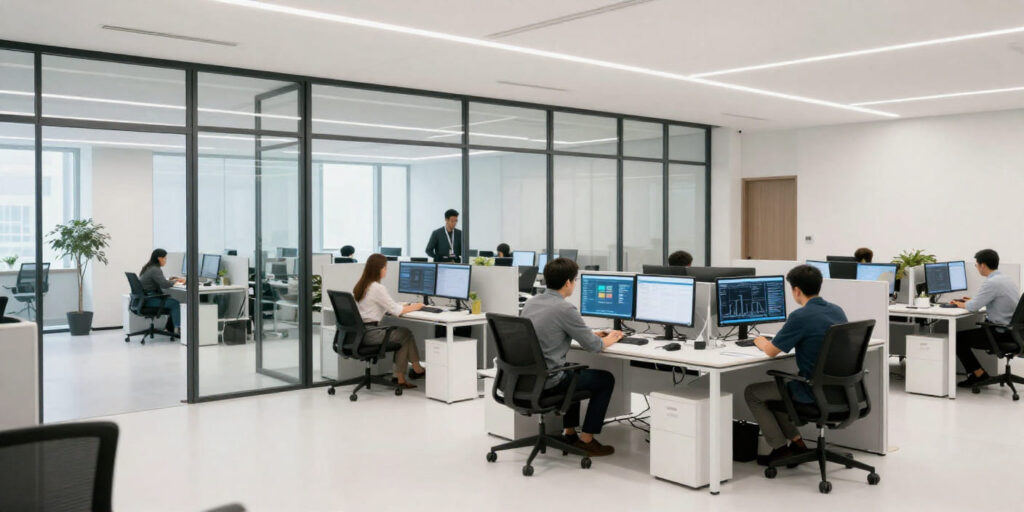
A Global Capability Centre serves as a specialized hub that multinational companies create to manage core business operations, develop technology, analyze data, and provide shared services from one central spot. Rather than outsourcing, companies build these centres to tighten their grip on operations, boost productivity, and better protect their intellectual property. As time has passed, GCCs have evolved into strategic value creators, lending support to everything from engineering products to transforming businesses.
Acting as an arm of the main company, a GCC usually manages tech growth, money matters, customer service, supply chain work, research tasks, and deep data study. These hubs also boost new ideas by helping to automate tasks, create AI tools, design experiences, and make things better. As big companies around the world focus more on lasting stability, GCCs have turned into one of the most trusted ways to grow operations across the globe.
Why Global Capability Centres Are Growing Worldwide
The growth of tech mixed work setups and the need for expert talent have sped up the use of GCCs. Businesses set up these centers to cut costs, make processes more consistent, and find skilled workers in fields like engineering, data science, online security, and business operations. Many big companies also gain from putting these centers in places with good infrastructure, new offices, and stable business environments.
Many global firms pick spots known for tech-savvy workers and reliable business spaces. For instance, modern office parks like Chennai One offer business-friendly settings that help grow high-performing corporate teams. As companies keep investing in capability centers, experts think this trend will keep growing a lot through 2026 and beyond.
Key Features That Define a Capability Centre Model
A capability centre has structured systems and modern frameworks to manage various operational areas. These centres often include digital delivery teams, shared financial process units, engineering groups, cybersecurity specialists, business support teams, and quality improvement divisions. By bringing operations together, companies can improve alignment across teams, keep knowledge better, and build stronger internal expertise.
Capability centres also create long-term value because they work with consistent governance models, performance standards, and internal policy structures. This allows organizations to keep high service quality while making collaboration between global departments better. Also, many centres are now using hyper-automation, cloud-native systems, sustainable practices, and advanced tools that enable smooth digital operations.
Benefits of Building a Modern Global Capability Centre
GCCs give companies strategic and operational advantages as they look to boost efficiency and scale over time. Here are some of the main perks:
Access to specialized talent
Capability centres let companies work with skilled pros without needing to rely on outside vendors.
Stronger operational control
Companies keep full oversight of their processes, tech, security, and internal systems. This ensures quality and consistency.
Faster digital transformation
Teams can speed up innovation through AI, automation, engineering, and product development efforts.
Cost-effective expansion
Businesses create long-term value by cutting operational costs while boosting service quality.
Improved collaboration
Centralized teams have a positive impact on efficiency when working with global departments, making sure projects and functions stay in sync.
What Leads to Success in Modern Capability Centers
While structure and strategy are important, a capability center’s success hinges on its teams’ strength, internal culture, and tech foundation. Successful centers put money into growing talent, ongoing learning, and environments that spark new ideas to help employees grow along with the company. High-end security systems, digital tools, plans to bounce back from setbacks, and well-organized governance frameworks also play a big part in keeping operations steady.
Successful capability centers adapt as industries change. They stay flexible and prepared for the future by emphasizing digital skills, automation, data literacy, and teamwork across departments. As companies move towards work models enhanced by AI, GCCs are set to spearhead global enterprise changes.
Future Trends Shaping Global Capability Centres
As businesses grow worldwide, several trends are shaping the next phase of capability centre growth:
- Embracing AI-native delivery models
- Increase in digital engineering and product innovation jobs
- More money is spent on cybersecurity and data protection
- Growth into new digital areas
- Stronger focus on sustainability and energy-saving operations
- Building leadership pipelines and advanced skill training centers
These trends show how capability centers are changing from support units to strategic drivers of new ideas.
A Global Capability Centre is more than just a part of a business. It’s a key hub that helps companies grow, come up with new ideas, and compete worldwide. As tech gets better and digital work becomes more important, GCCs will keep growing in value through 2026 and after. For businesses that want to boost their skills, cut down on operational problems, and speed up change, capability centres offer a strong and future-ready way to grow.